Project Background
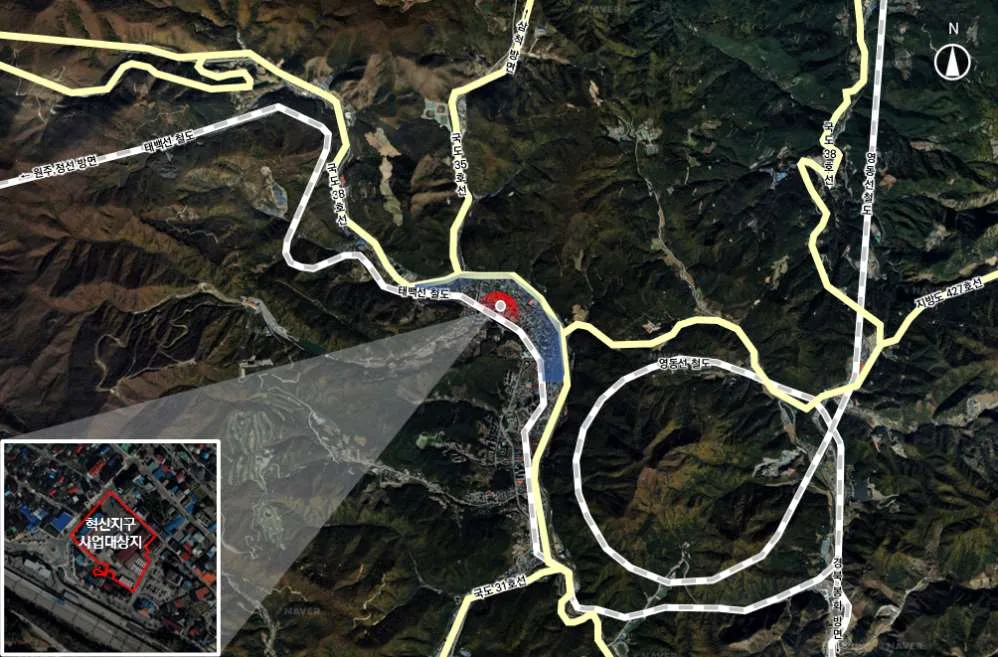
Taebaek, Gangwon Province, once thrived as a mining-based energy city but has faced severe population exodus and economic stagnation due to energy transitions and industrial restructuring. Taebaek Station, despite being a crucial transportation and tourism hub in the central inland region, has suffered from aging infrastructure and functional deficiencies. The Taebaek Switch Complex Terminal project represents a transformative approach to urban regeneration that revitalizes the deteriorating station district, restoring regional competitiveness and positioning Taebaek as a new urban hub within Gangwon Province.
Approach and Strategy
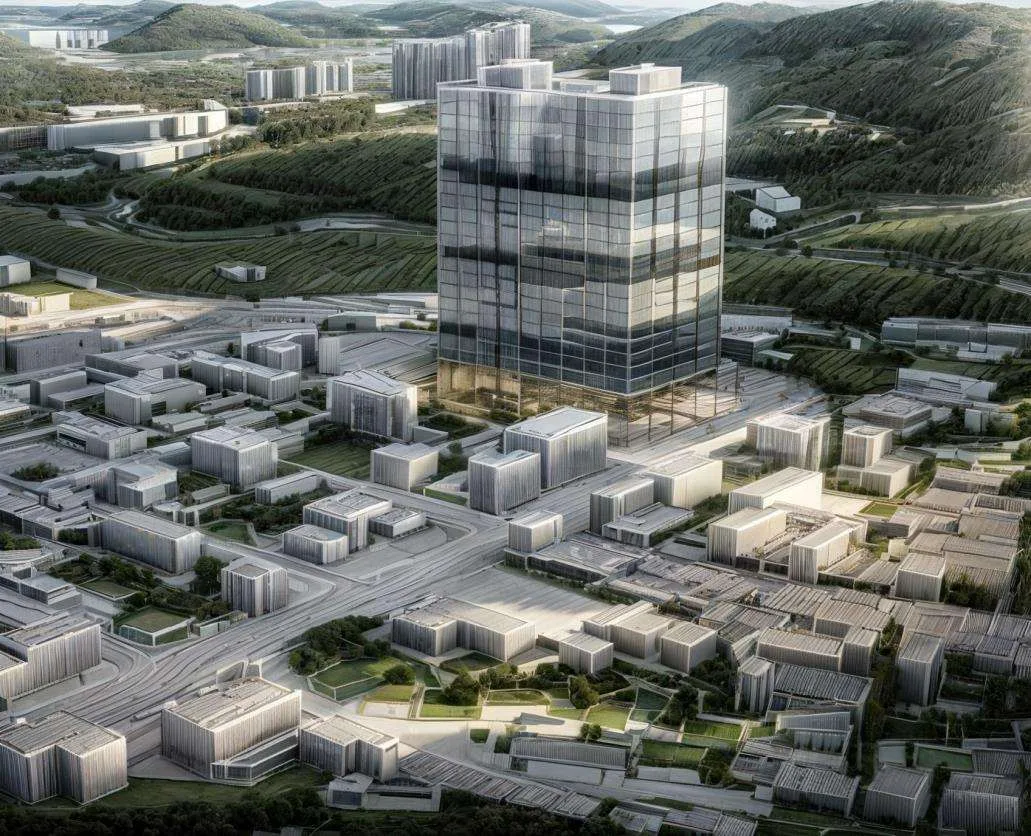
This project extends beyond simple transportation facility improvements to embrace comprehensive urban activation. Centered on Taebaek Station, the plan integrates a complex terminal with cultural, commercial, and tourism functions to strengthen Taebaek's status as a regional hub through holistic development. Through comprehensive analysis of local characteristics, demographic structures, economic conditions, and tourism resources, we developed differentiated strategies reflecting Taebaek's unique identity.
🚆
Hub Creation
Transportation Hub
Integrated Terminal
Enhanced Access
🏢
Function Integration
Mixed-Use Layout
Commerce, Culture, Tourism
Synergy Creation
👥
Vitality Creation
Increased Foot Traffic
Commercial Activation
Economic Revitalization
🌟
Image Transformation
Brand Enhancement
Tourism Gateway
Regional Identity
To execute these four core strategies, we present the vision "Taebaek Switch: Connecting the City and People," complete with phased implementation plans and comprehensive funding strategies.
Key Proposed Projects
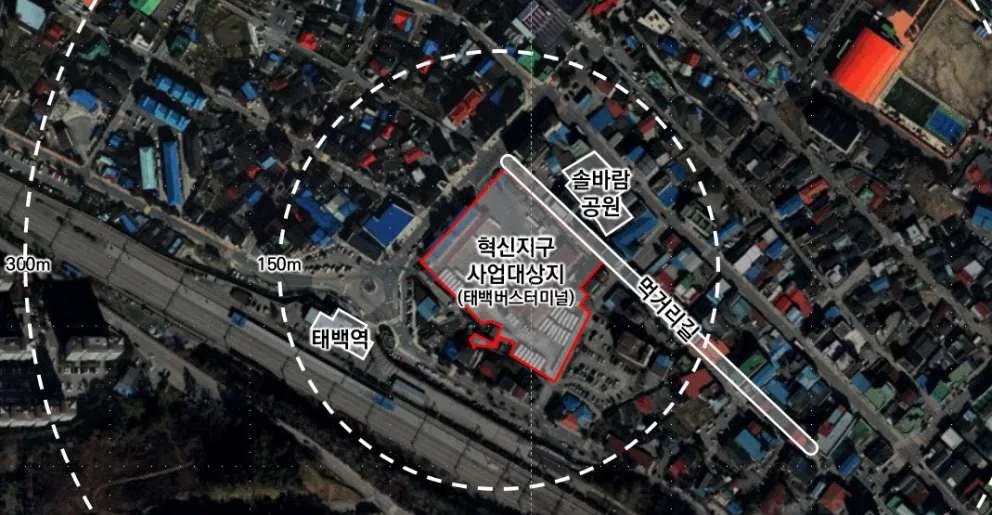
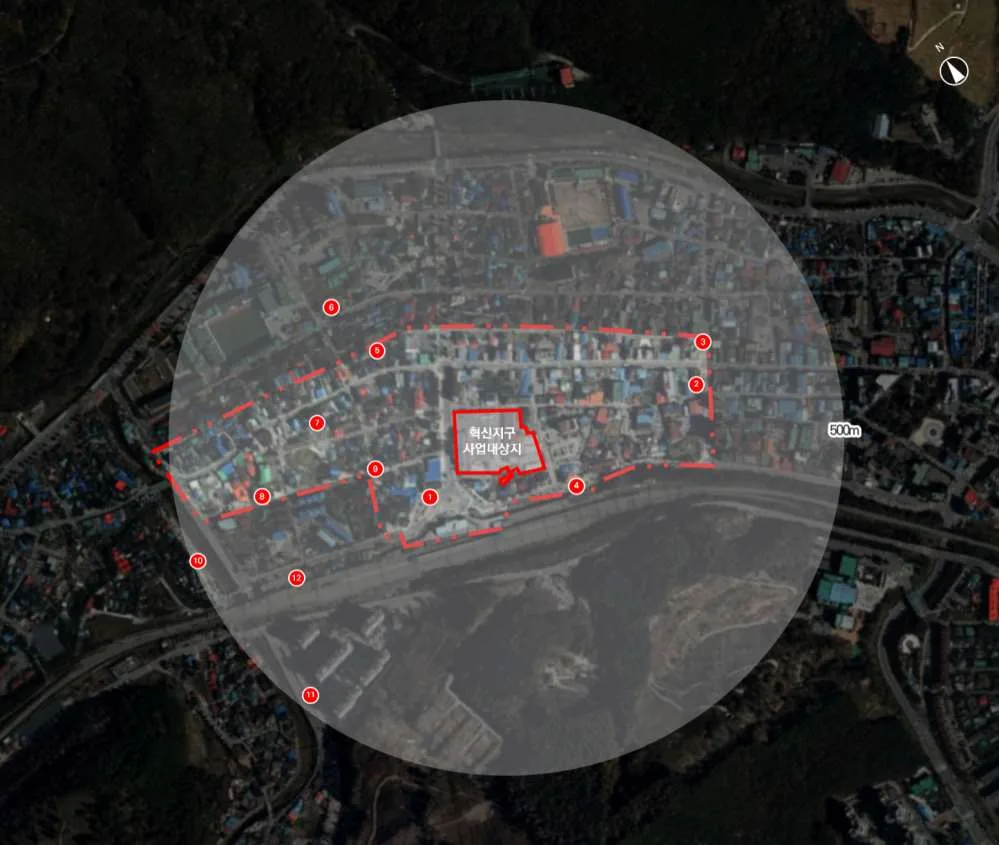
The master plan targets 12.141㎡ around Taebaek Station with diverse initiatives including a complex terminal, commercial-office mixed-use facilities, and cultural-tourism infrastructure. The Switch Terminal consolidates bus, train, and taxi transportation functions to maximize user convenience and optimize station district activation through integrated commercial, cultural, tourism, and accommodation facilities. Additionally, cultural facilities linked to Taebaek's tourism resources and local specialty retail spaces will maximize visitor inflow and contribute to regional economic vitalization.
Expected Outcomes
40%
Increased Foot Traffic
Through the Taebaek Switch Complex Terminal development, we anticipate quantifiable results including 40% increased foot traffic in the station district, 50% commercial sales growth, new commercial and office facility entries, and a threefold increase in tourism. Beyond these metrics, the project promises significant urban regeneration effects: transformation of Taebaek's urban image, establishment of Taebaek's status as a new urban hub in Gangwon Province, and substantial regional employment generation.
Project Significance
This project holds special meaning as a pivotal moment when Taebaek, a declining mining city, undergoes transformation centered on new urban functions. Surpassing simple transportation improvements, it pursues comprehensive urban activation while respecting Taebaek's unique tourism resources and culture while integrating contemporary urban functions. The strategy harmoniously combines central government urban regeneration innovation district policies with local government regional activation initiatives, presenting a highly feasible master plan.
#UrbanRegeneration
#ComplexTerminal
#TaebaekCity
#StationDistrict
#UrbanDevelopment
#TourismHub
#RegionalActivation
#TransportHub
#TaebaekSwitch