Project Background
The success of urban regeneration projects depends not only on physical environmental improvements but also on resident capacity building and community activation. The Deokjeong urban regeneration project in Yangju, Gyeonggi Province prioritizes health and welfare as core values while pursuing resident-led program operations. This project systematically identifies and develops qualified personnel to operate health and welfare programs sustainably. Through a multi-layered human resource structure including facilitators, coordinating managers, and small-group leaders, we enhance program quality and strengthen community capacity.
Approach
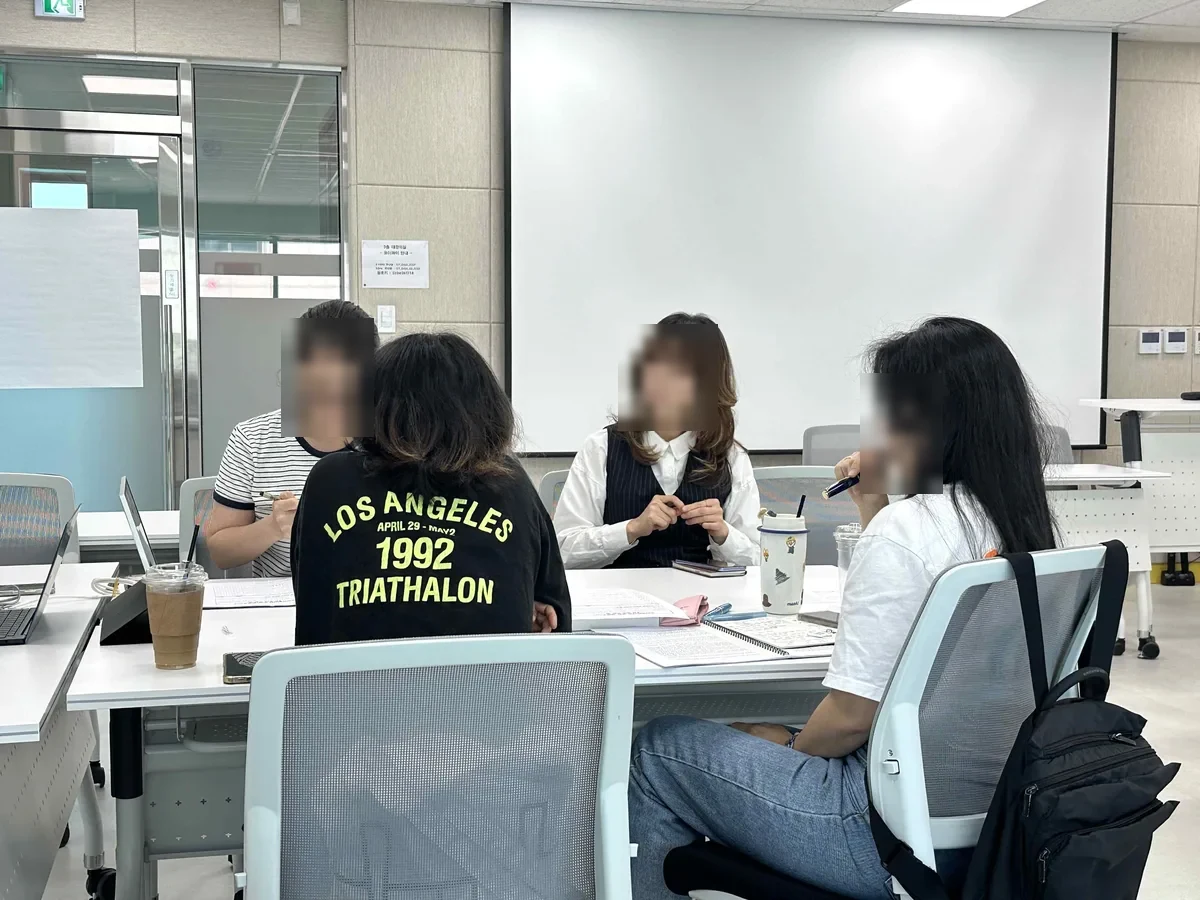
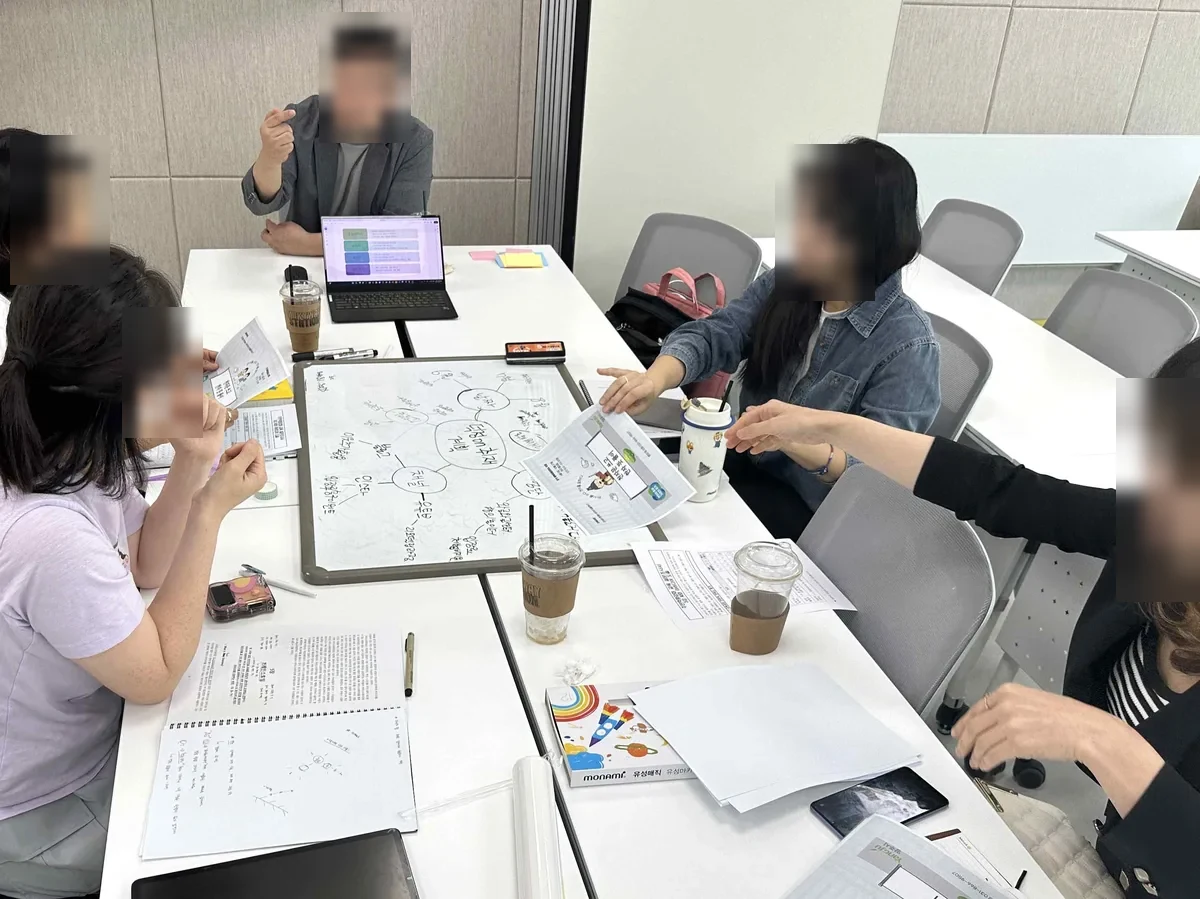
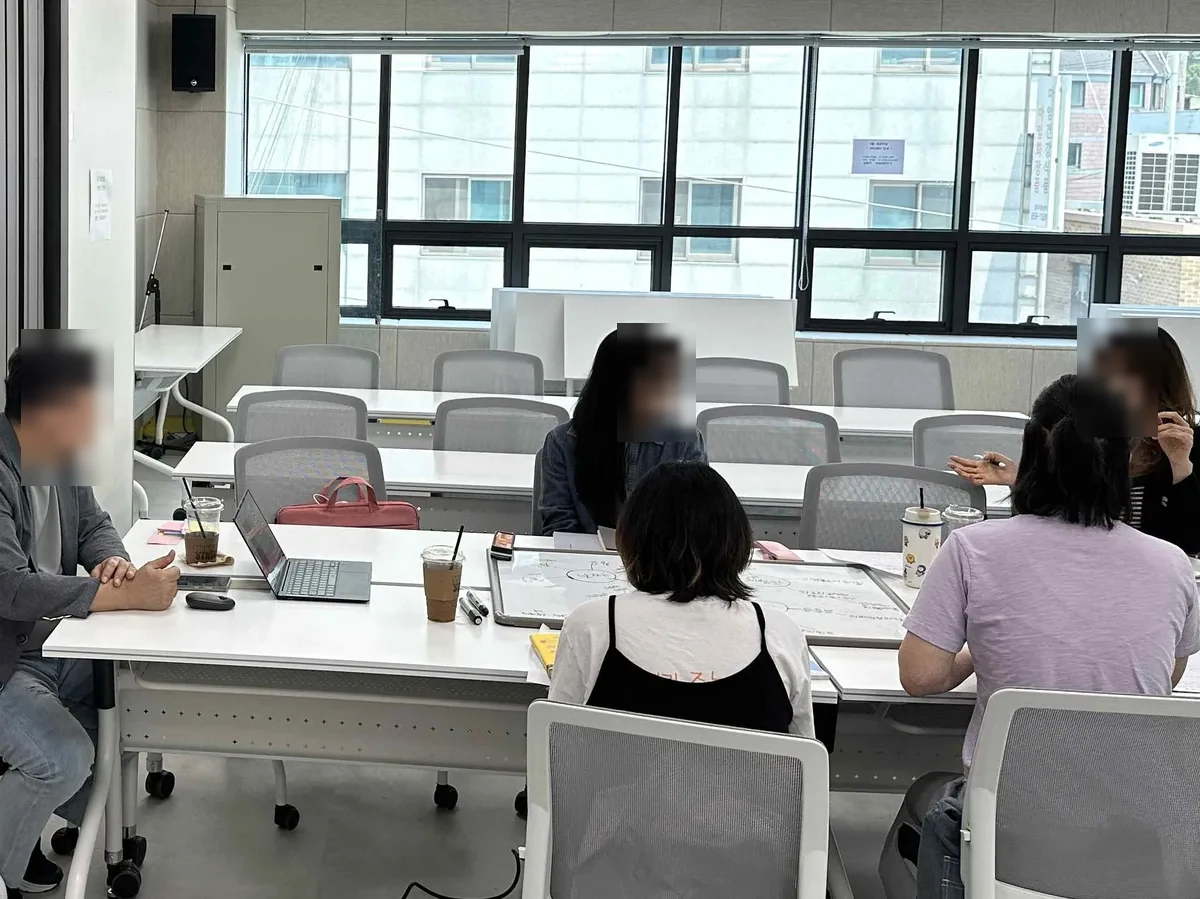
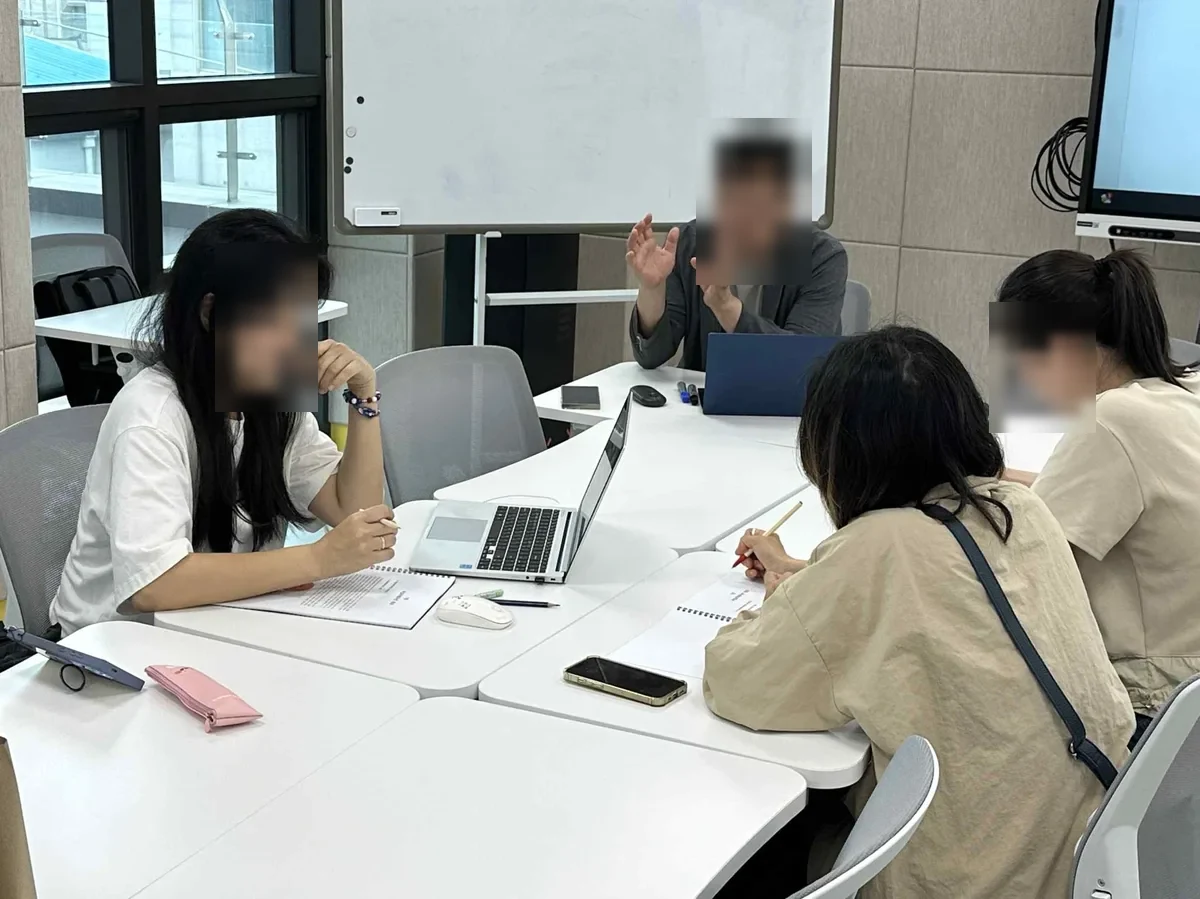
This project approaches human resource development for health and welfare program operations through three distinct dimensions: facilitator training, support coordinator development, and volunteer leader identification. Through on-site surveys and resident consultation sessions, we identified local characteristics and community needs. We benchmarked domestic urban regeneration best practices and international community activation models. Based on these findings, we developed customized educational programs and systematic operational guidelines. In particular, we emphasized experience-based learning and practice-oriented education to foster participant autonomy and engagement.
👥
Facilitators
Program planning
and leadership
relationship building
📚
Coordinators
Operational skills
and professional
capacity enhancement
🎯
Group Leaders
Autonomous
organization
resident-driven model
💡
Capacity Building
Design thinking
creative
problem-solving
🌱
Sustainability
Community business
self-sustaining
ecosystem
Key Proposals
This project comprises five core programs. First, facilitator training establishes a clear understanding of program objectives and builds relationships through icebreaker techniques. Second, support coordinator development enhances administrative expertise and professional operational capacity. Third, volunteer leader identification fosters resident-centered autonomous organizations. Fourth, capacity building training develops design thinking and creative problem-solving abilities. Finally, community business operations establish a self-sustaining ecosystem ensuring long-term program viability. Each program is systematically implemented monthly with customized participant support and on-site adaptation to maximize practical impact.
Expected Impact
Through systematic implementation, we will develop 30+ qualified personnel for program operations, enhance 15+ support coordinators' capacity, and identify 50+ volunteer leaders to foster resident-driven urban regeneration culture. These human resource outcomes will generate short-term improvements in program quality and participation while establishing a sustainable community operation system and autonomous ecosystem in the long term.
Project Significance
This project stands out by focusing on "human resources" – the critical element determining urban regeneration success. Rather than one-time training, we designed a multi-layered personnel structure of facilitators, coordinators, and leaders to ensure program sustainability. Through experience-based learning and practice-oriented education, we inspire participant initiative and ultimately present a resident-driven urban regeneration model. This initiative is expected to play an important role in realizing the essential values of urban regeneration: creating healthy and compassionate communities.
#Urban Regeneration
#Human Resources
#Health Welfare
#Yangju City
#Capacity Building
#Community Participation
#Sustainability
#Community Development