Project Background
Jangdeung Village, located in Wido-myeon, Buan-gun, Jeollabuk-do, is a rural vulnerable area where living conditions were severely poor due to aging housing and inadequate infrastructure. 73.8% of the village population lived in houses over 30 years old, and most residents were elderly with limited capacity for self-improvement. This comprehensive living condition improvement project was initiated to address the urgent need for rural area revitalization.
Approach
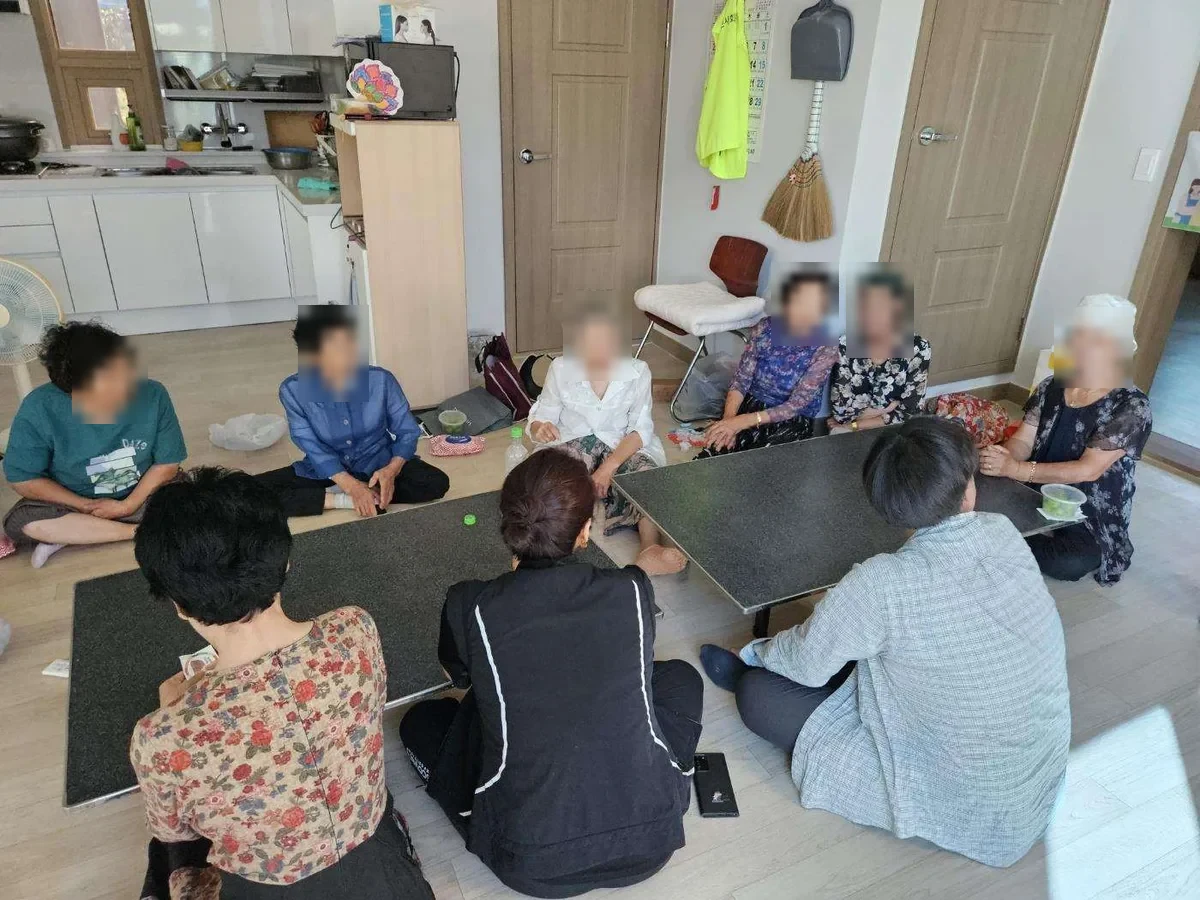
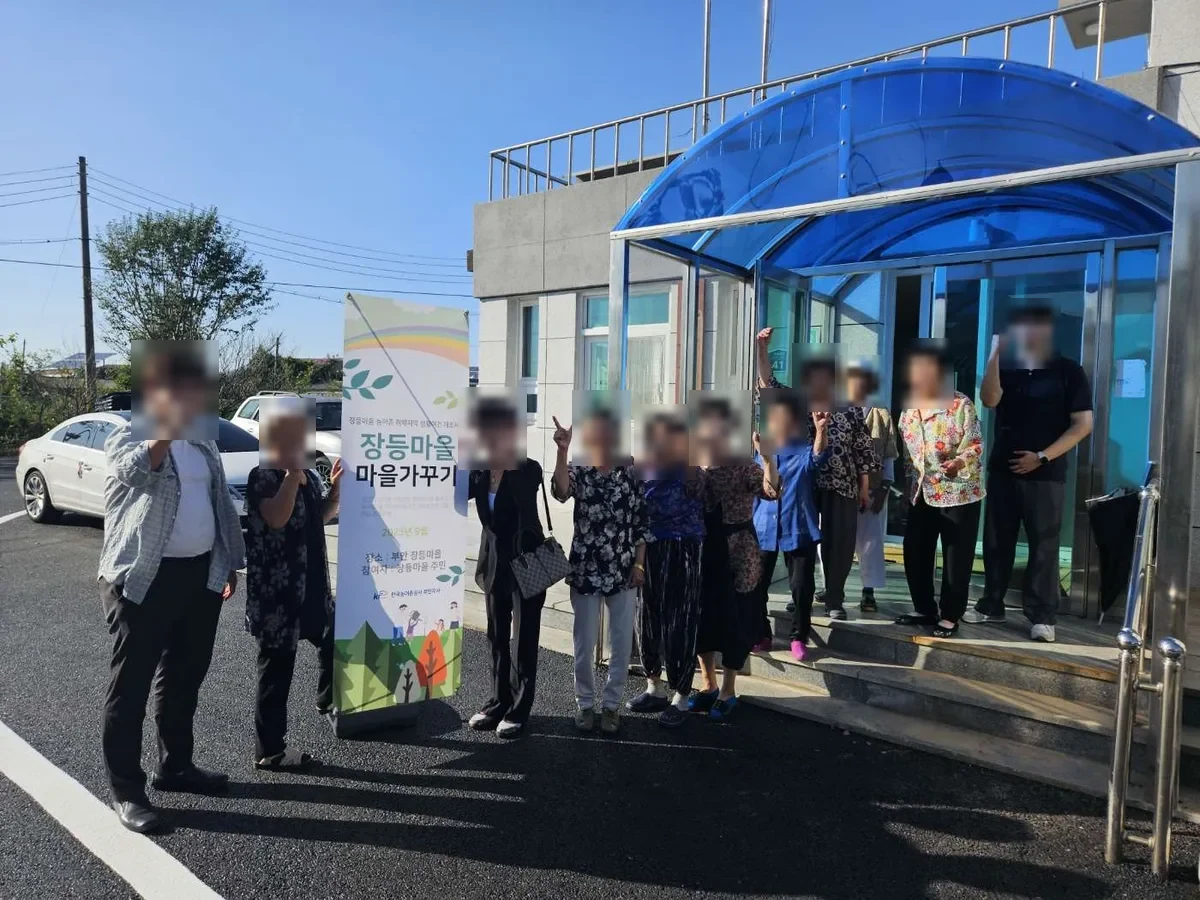
This project went beyond simple physical improvements by implementing a comprehensive regeneration strategy developed together with village residents. Four core areas were prioritized: housing improvements, village infrastructure development, living environment enhancement, and community facility creation. The approach incorporated a sustainable village development system that respected the village's identity. Throughout the project, resident meetings, surveys, and field consultations were conducted to actively incorporate community feedback.
🏠
Housing
Aging house
comprehensive
renovation
🌳
Infrastructure
Basic facilities
expansion &
improvement
👥
Community
Resident
amenities
facilities
💚
Improvement
Resident
participation
programs
Project Proposals
The project was implemented across four major areas. First, the housing improvement initiative renovated 61 aging houses, improving roofing, walls, windows, and other major structural components to enhance residential comfort. Second, village infrastructure improvements included road expansion, water supply installation, and sewage system upgrades. Third, community and amenity facilities such as a new community center, shared gardens, and improved facilities for the elderly were constructed. Fourth, sustainable village development through resident participation programs included resident capacity-building education, village brand development, and support for returning farmers.
Expected Impact
100%
Resident Participation
Through this project, the village's physical environment improved significantly, and residents' quality of life was substantially enhanced. The discomfort and anxiety from living in aging houses was eliminated, and the improved infrastructure and community facilities became hubs for strengthening resident community bonds. Additionally, through resident participation programs, the village's assets were discovered and resident capacity was strengthened, establishing the foundation for sustainable village development.
Project Significance
This project represents a successful comprehensive regeneration case in a rural vulnerable area, significant for pursuing both physical improvements and resident participation and capacity building simultaneously. By respecting the village's history and characteristics while providing modern living standards, it presented a tailored village regeneration model that can serve as a standard reference for regeneration of similar rural vulnerable areas across the nation.
#RuralRegeneration
#LivingCondition
#HousingImprovement
#VillageRevitalization
#ResidentParticipation
#Infrastructure
#CommunityFacilities
#Buan
#Sustainability