Project Background
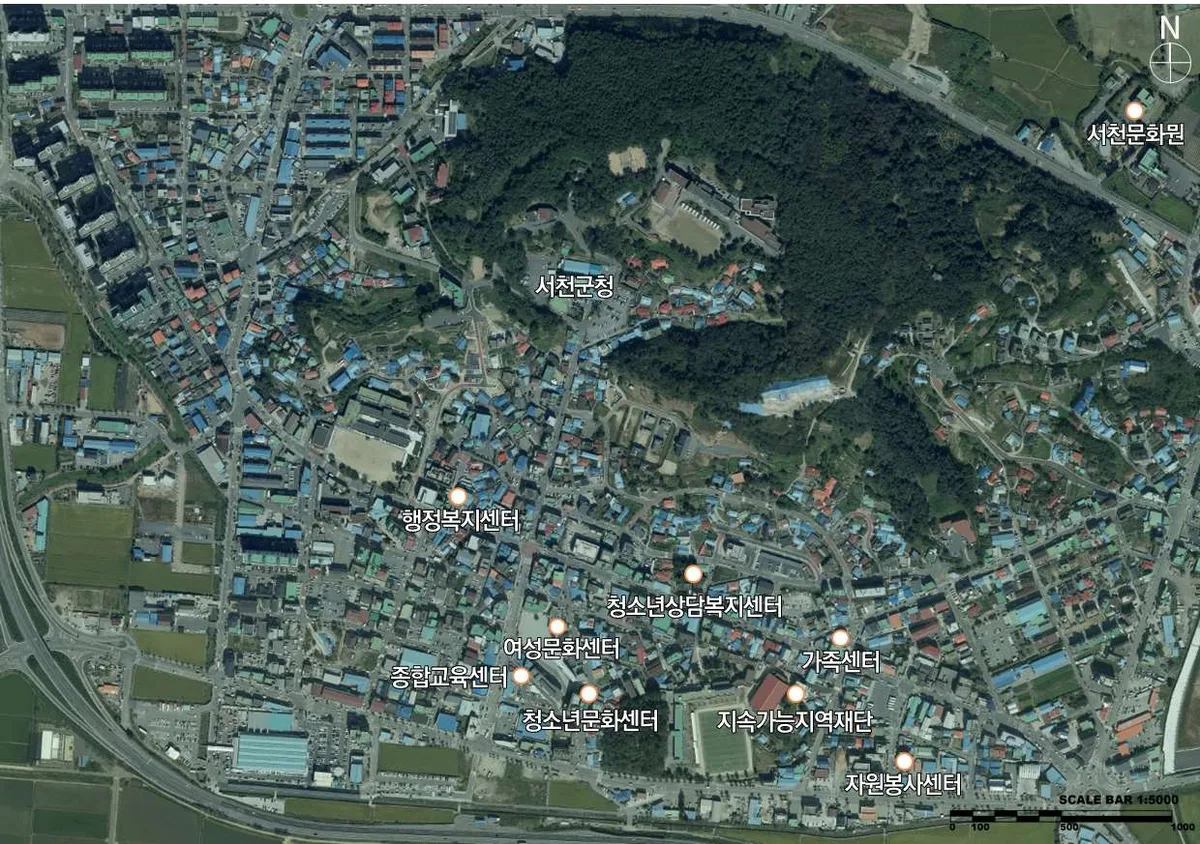
Seocheon Terminal District serves as the transportation hub and gathering place for residents and visitors, making it a key pivot point for urban revitalization. However, aging infrastructure, increasing vacant sites, and dispersed commercial functions have gradually weakened the district's central role. Accordingly, there is a pressing need to establish a systematic activation strategy linked with urban regeneration new deal projects, centered on the terminal district, to revitalize the local economy and improve residents' quality of life.
Approach
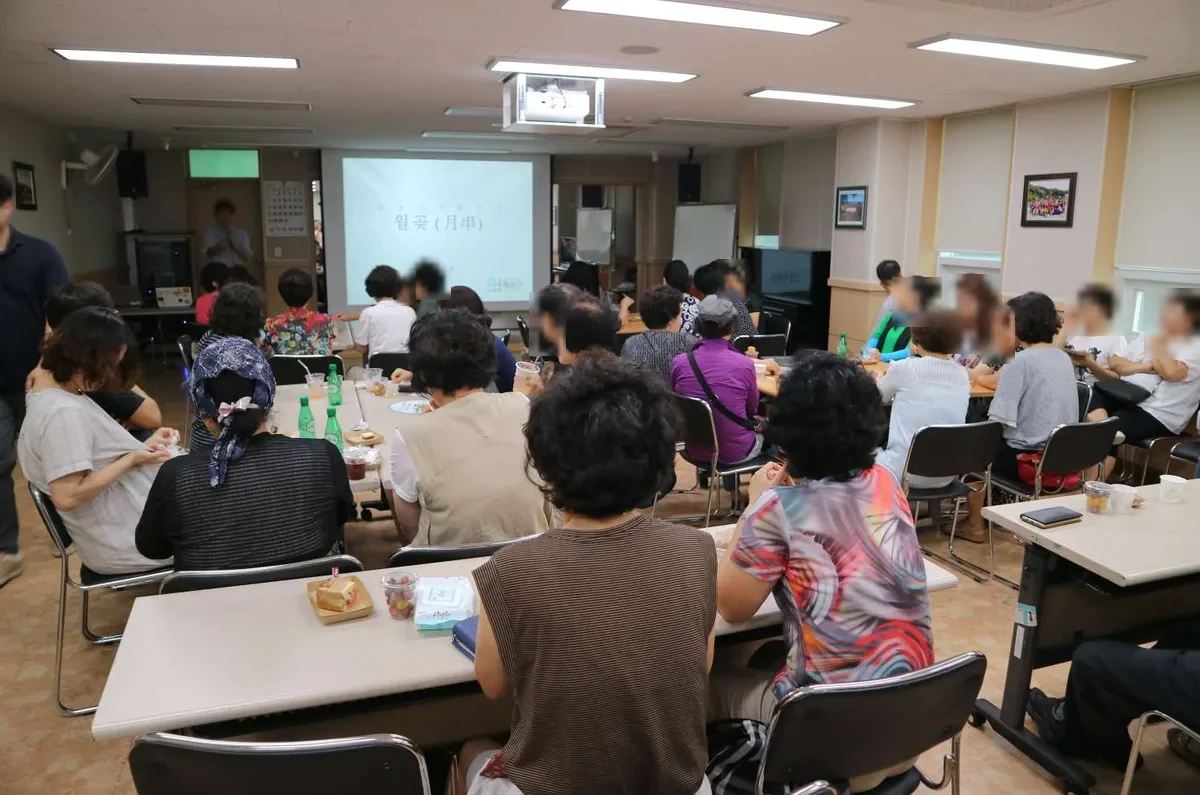
This project focuses on presenting a "comprehensive long-term plan" that existing urban development projects often overlook. Through resident consultation, on-site surveys, and inter-agency coordination, we incorporated actual local needs. Based on similar case studies and SWOT analysis, we derived three core strategies. We prepared a highly feasible plan by organically linking S/W programs with hardware development.
🎯
Resident Burden Reduction
Strengthen regional capacity
through resident participation
programs and build trust foundation
💼
Phased Capacity Building
Derive capacity stage indicators
Extract capacity elements
Implement stepwise approach
🔗
Network Development
Expand collaborative functions
Build cultural foundation for efficiency
Establish integrated networks
These three strategies rest on two pillars: "voluntary resident participation" and "administrative support systems." Under the vision of "creating Seocheon as a tourism hub," we presented an activation model integrating commercial, tourism, and cultural functions centered on the terminal.
Proposed Projects
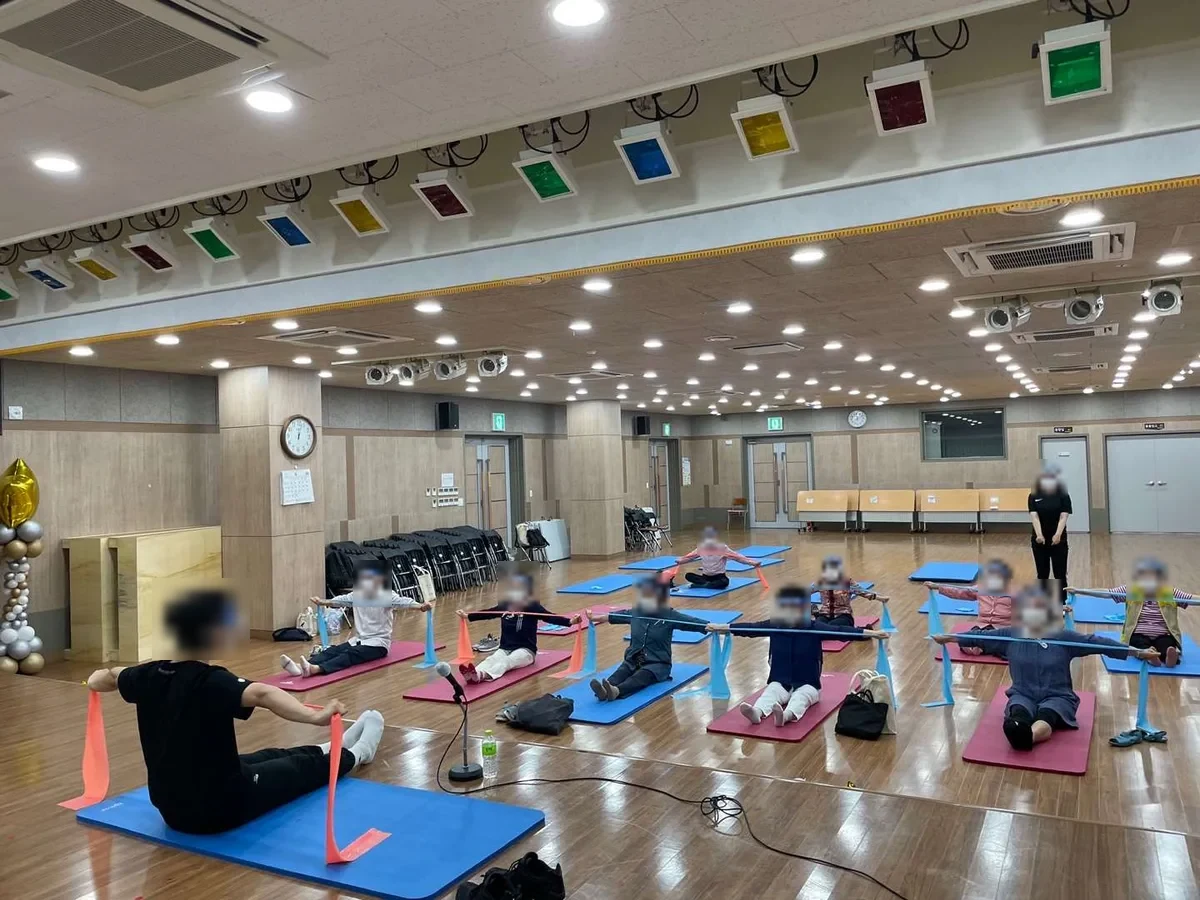
This plan combines S/W programs with hardware development for implementation. It includes resident capacity-building programs, terminal plaza redesign for public space creation, commercial activation support, tourism program development, and various events and festivals for strengthening local communities. We also presented multilayered funding methods including central government projects and regional activation funds to ensure implementation feasibility.
Expected Impact
30%
Commercial Sales Growth
Through phased implementation of this plan, we expect quantitative outcomes including 25% increase in terminal district foot traffic, 30% growth in commercial sales, and 20 new business establishments. Combined with qualitative benefits such as establishing a local tourism hub, improving resident satisfaction, and forming sustainable local economic ecosystems, we anticipate comprehensive urban revitalization effects.
Project Significance
This project stands out by repositioning terminal district revitalization within the broader context of the region, rather than treating it as mere physical infrastructure renewal. By integrating the terminal's existing role as a transportation center, voluntary participation of local merchants and residents, and systematic administrative support into a unified approach, we have presented a unique urban revitalization model for Seocheon Township with a long-term implementation framework.
#UrbanRegenerationNewDeal
#TerminalDistrict
#Seocheon-gun
#RegionalRevitalization
#S/WImplementation
#ResidentParticipation
#CommercialActivation
#TourismHub
#LocalEconomy